cmmc-level2
.com
Product
Value / Pricing
SSP
FAQ
About
Blog
Contact
Request a Demo
Blog
Our Blog
Insights, updates, and product thinking
Security
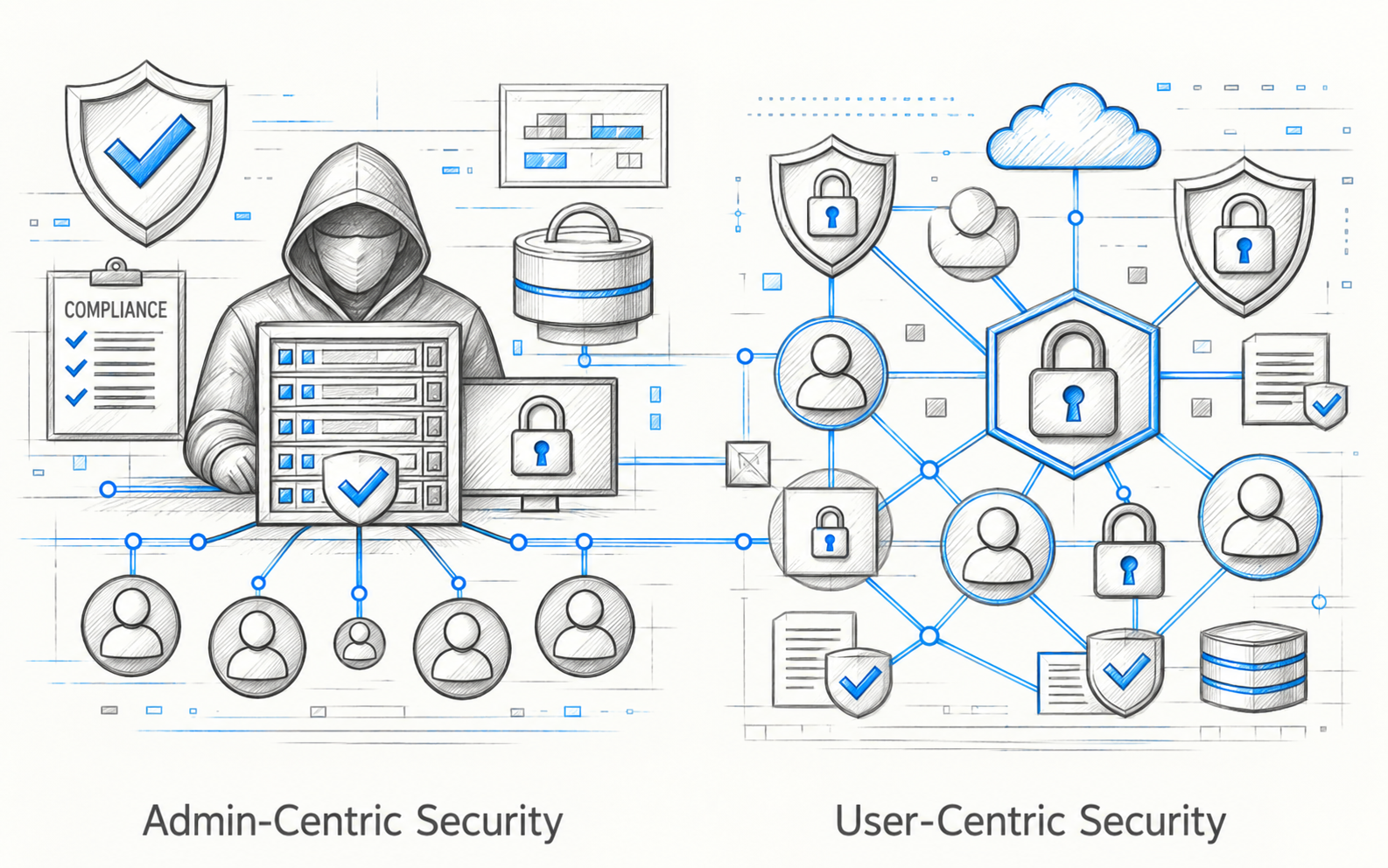
User-Centric vs Admin-Centric Cyber Security and CMMC 2.0 Compliance
Administrators have excessive control and pose a security risk
Encryption empowers users to control their own data
VDI centralizes computing resources while maintaining data isolation
Encryption and VDI increase security and simplify CMMC 2.0 compliance by reducing scope and complexity
Read More
Infrastructure
HPC, SLURM, and Compliance: Navigating the Challenges of Regulated Data
HPC with regulated data (CUI, ITAR) introduces elevated risk and strict NIST SP 800-171 / CMMC requirements
SLURM at scale requires additional safeguards for isolation, control plane security, and auditability
True compliance at scale demands integrated access control, logging, and workload isolation - built into the architecture
Read More
Architecture
A Reality Check of GCC High
GCC High has become the default answer for small organizations pursuing CMMC compliance.
It is trusted, widely adopted, and on-paper, it checks all the right boxes. It is optimized for email, SharePoint and basic document collaboration
but is GCC High designed to solve complex workflows?
Read More
Encryption | Access Control
How tiCrypt Structures Users, Groups, and Projects for Secure Collaboration
A breakdown of how tiCrypt structures users, groups, and projects to enable secure collaboration while maintaining data isolation and control
Read More
Architecture | Security
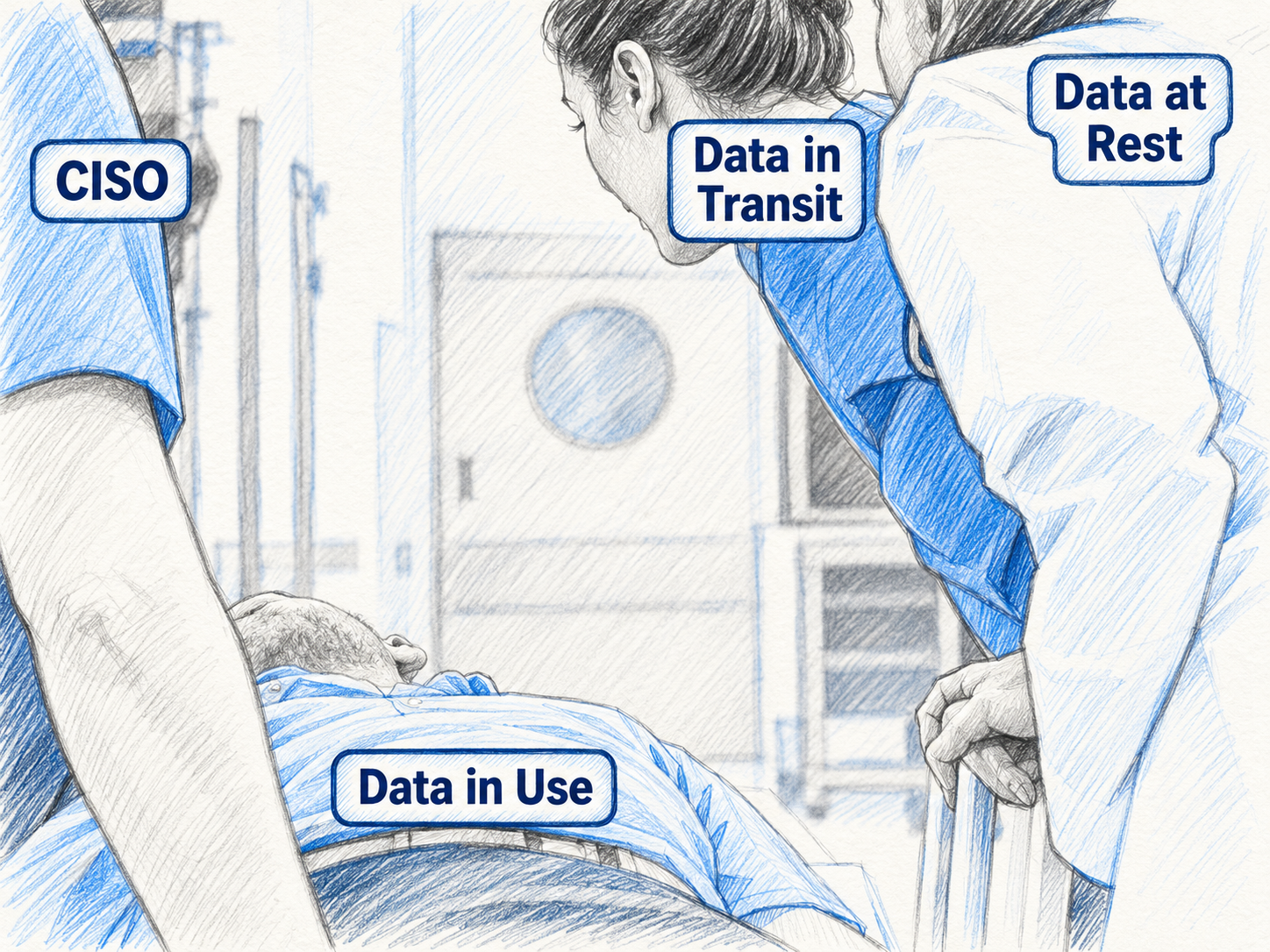
The Data-in-Use Gap of NIST SP 800-171
Most security frameworks focus on encrypting data at rest and in transit, but often overlook the third state: data in use
This gap matters because data is most exposed while being actively processed, which is where many major breaches occur
Read More